How to Format a Poetry Book for Print: A Guide for Canadian Poets
Publishing a poetry book is a deeply personal act.
Whether you’re a first-time poet in Nova Scotia or an established voice in Canadian poetry, formatting your poetry book for print requires care, precision, and respect for the way your words move on the page.
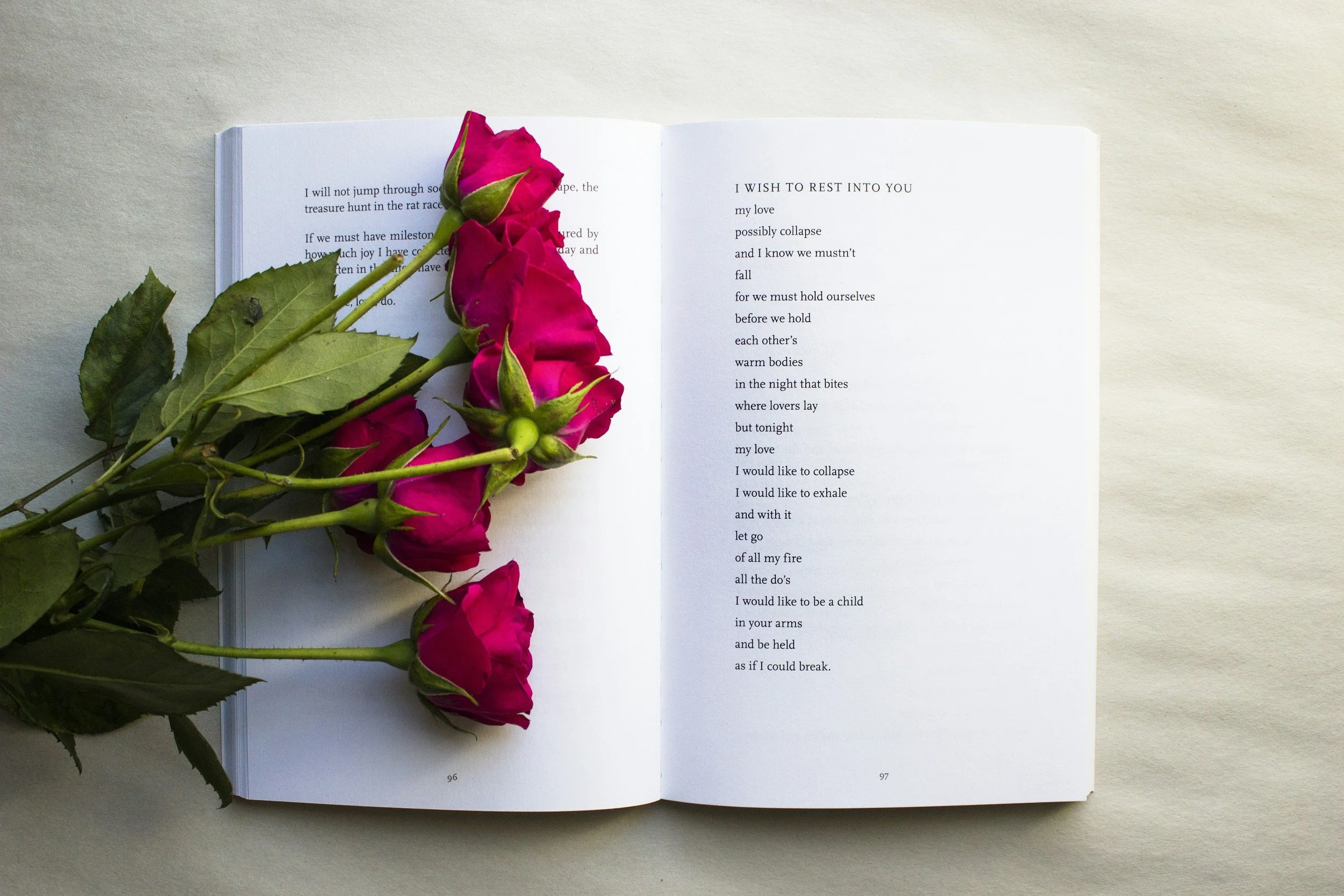
Poetry is not formatted like a novel or non-fiction book.
Line breaks matter.
White space matters.
Typography matters.
If you’re self-publishing poetry in Canada, this guide will walk you through how to format a poetry book for print in a way that feels professional, readable, and true to your voice.
Why Poetry Book Formatting Is Different
Poetry relies heavily on:
Line breaks
Stanza spacing
Visual rhythm
Page turns
White space
Unlike prose, where text flows continuously, poetry often depends on the exact placement of words. A single line shifting to the next page can change meaning or impact.
That’s why poetry book formatting requires more intention than standard interior book layout.
For Canadian poets preparing print editions—whether through Amazon KDP, IngramSpark, or local Canadian printers—proper formatting ensures your work reads the way it was meant to.
Step 1: Choose the Right Trim Size for Your Poetry Book
Trim size affects how your poems sit on the page. Common poetry book sizes in Canada include:
5" x 8"
5.5" x 8.5"
6" x 9"
Smaller trim sizes often feel intimate and literary. Larger trim sizes may suit longer lines or more spacious layouts.
When formatting a poetry book for print, ask:
Do my poems have long lines that require more width?
Do I want generous white space?
Am I including illustrations or visual elements?
Your trim size will influence margins, font size, and overall layout decisions.
Step 2: Select Typography That Supports Canadian Poetry
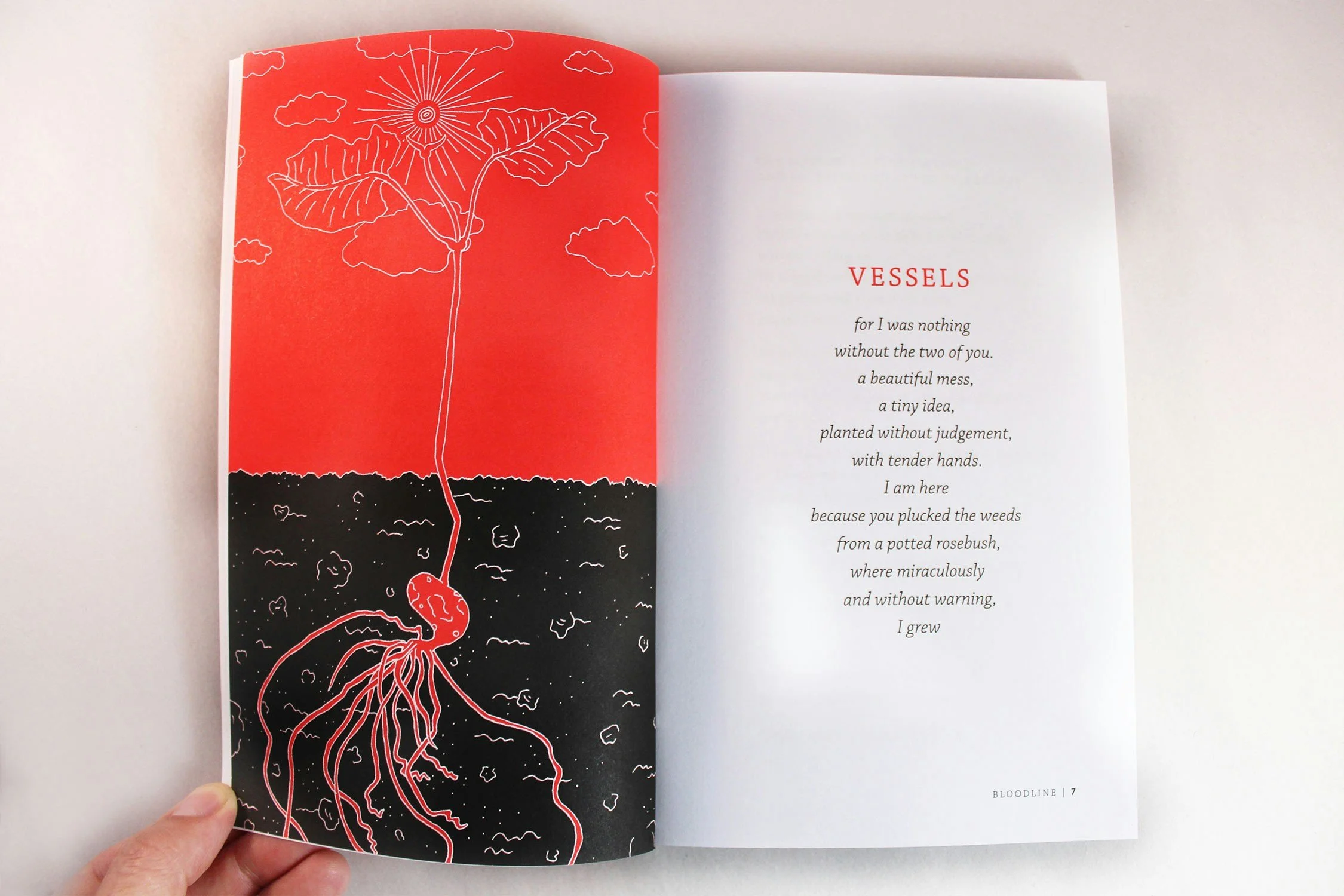
Typography in poetry book design should feel subtle and intentional—not distracting.
For poetry book formatting, look for:
Serif fonts for traditional literary feel (e.g., Garamond-style fonts)
Clean, readable typefaces
Consistent hierarchy between titles and body text
Appropriate line spacing (often slightly more generous than prose)
Avoid overly decorative fonts that compete with your words.
In Canadian poetry especially—where tone often ranges from contemplative to experimental—typography should support the emotional landscape of the work.
Professional poetry book design focuses on readability first, aesthetics second.
Step 3: Respect Line Break Integrity
One of the most common formatting issues in self-published poetry books is broken line integrity.
When formatting your poetry manuscript:
Avoid automatic text wrapping that changes line structure
Ensure lines don’t awkwardly break across pages
Watch for widows and orphans (single lines stranded at the top or bottom of pages)
Maintain consistent stanza spacing
A single misplaced line can disrupt the rhythm of a poem.
When formatting poetry for print in Canada, always order a physical proof copy before finalizing. What looks correct on screen can shift slightly in print.
Step 4: Consider Page Flow and Section Breaks
Poetry collections often include:
Themed sections
Dividers
Title pages
Dedications
Acknowledgments
Formatting these elements thoughtfully elevates the professionalism of your book.
For example:
Section title pages may begin on the right-hand page
Poems may start on new pages for pacing
White space can be used intentionally for breath and reflection
Interior book layout for poetry is about more than technical formatting—it’s about reader experience.
Step 5: Prepare Print-Ready Files Properly
If you are self-publishing poetry in Canada, your final file must meet printer specifications.
This includes:
Correct margin and bleed settings
Embedded fonts
Proper PDF export settings
Correct spine width calculation (based on page count)
CMYK colour settings if applicable
Many Canadian poets underestimate the technical side of poetry book formatting. Even small errors can delay printing or affect final quality.
If you’re unsure about file preparation, professional book design support can prevent costly reprints.
Step 6: Design a Cover That Reflects the Tone of Your Poetry
Your poetry book cover should:
Align with Canadian literary aesthetics if targeting literary audiences
Reflect the emotional tone of your work
Feel cohesive with your interior typography
Poetry covers often lean toward:
Minimalism
Text-forward design
Symbolic imagery
Soft or muted palettes
Cover and interior design should feel like part of the same conversation.
If you’re curious about how cover design supports your poetry book, you can explore my Book Design Services page.
Common Mistakes in Self-Published Poetry Books
When formatting a poetry book for print, watch for:
Overcrowded pages
Inconsistent spacing
Incorrect trim size for line length
Poor font choice
Ignoring proof copies
DIY templates that override formatting choices
These issues don’t reflect the quality of your writing—but they can affect how your work is received.
Professional poetry book design helps avoid these common pitfalls.
When to Consider Hiring a Poetry Book Designer
You might benefit from working with a professional book designer if:
Your poems rely heavily on visual structure
You feel unsure about trim size or typography
You want your book to feel traditionally published
You’re preparing a poetry collection for grants or literary submissions
You’re overwhelmed by technical file requirements
Many Canadian poets value creative control—but still appreciate guidance through the formatting and print process.
Support doesn’t diminish authorship. It strengthens presentation.
Self-Publishing Poetry in Canada: You Have Options
Canadian poets today have more publishing options than ever before.
You can:
Self-publish through global platforms
Print locally in Canada
Sell through independent bookstores
Create limited-run art editions
Formatting your poetry book properly ensures your words meet readers exactly as you intended.
Your poetry deserves thoughtful space on the page.
Next Steps
If you’re preparing to self-publish a poetry book in Canada and want clarity around formatting, design, or print preparation, I offer a 60-minute Book Design Consultation for $100 CAD.
It’s a calm, supportive conversation where we can talk through:
Poetry book formatting questions
Trim size and layout decisions
Cover and interior alignment
Your publishing goals
You can also explore my Book Design Services page to see how full poetry book design support works.
Your words matter.
And they deserve to be presented with care.