What a Book Designer Really Does (and Why Authors Don’t Have to Do It Alone)

If you’re preparing to self-publish a book in Canada, you may be wondering:
What does a book designer actually do?
And do I really need one?
Many first-time authors assume that self-publishing means managing everything alone—writing, formatting, cover design, uploading files, and learning publishing platforms from scratch.
But that’s not what self-publishing was meant to be.
Working with a professional book designer for self-publishing allows you to retain creative control while receiving guidance, clarity, and professional design support—so your book feels thoughtfully published, not rushed or improvised. You also get print ready files that are exactly to the specifications of the publisher you are working with so you don’t have to learn the technical skills to ensures files get uploaded without errors. Designers know all the lingo from bleeds, trims, slugs (yes that is a real thing), dpi, CMYK vs RGB, digital print vs four colour print process and so on and so on.
Whether you're a fiction writer, poet, non-fiction author, or artist creating an illustrated book, understanding the role of a book designer can help you move forward with confidence.
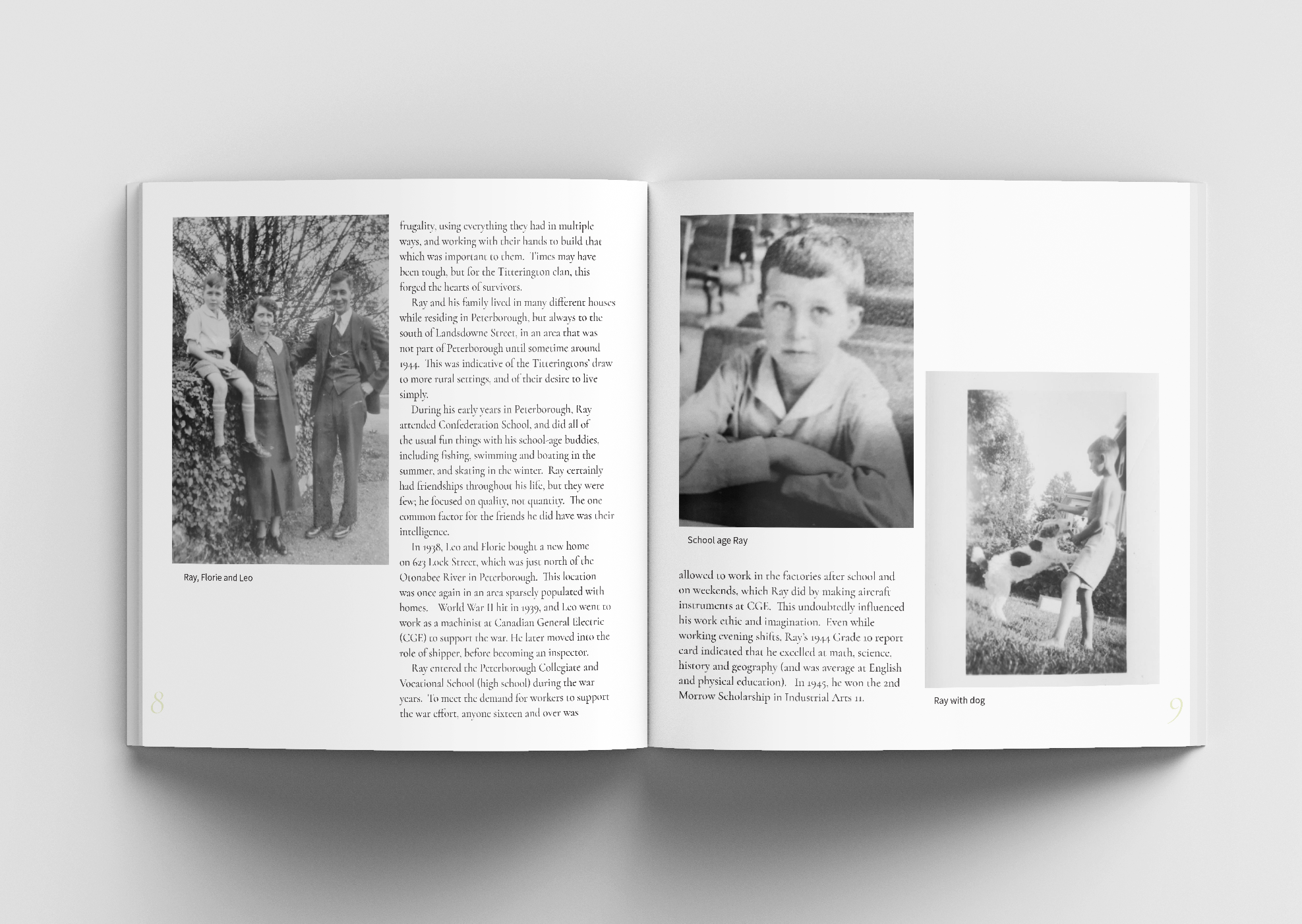
Interior type setting and book formatting for a project I completed for the Nova Scotia Nature Trust.
The Myth of “Doing It All Yourself”
One of the most common misconceptions about self-publishing in Canada is that authors are expected to do everything independently.
In reality, self-publishing simply means:
You retain publishing rights
You make creative decisions
You choose your timeline
You decide who supports you
It does not mean you must become a cover designer, interior layout specialist, copyeditor, marketing expert and production manager overnight.
Many authors delay publishing for months—or even years—because they feel overwhelmed by the technical aspects of formatting and design.
A professional book designer helps simplify that process.
You don’t lose control by asking for support. You gain clarity that allows you to focus on what you do best, write, create content, create art, and create a visual story for the world to get lost in. We need this more now than ever.
What Publishers Actually Handle Behind the Scenes
When authors publish through a traditional publishing house, there is an entire team involved behind the scenes.
That team often includes:
A cover designer
An interior layout designer
A typesetter
An art director
A production coordinator
A print specialist
When you choose self-publishing, those roles don’t disappear—they simply become your responsibility to manage.
Working with a Canadian book designer for self-publishing allows you to recreate that professional publishing standard without navigating it alone. They can offer the cover design, interior layout design, typesetting and collaborate with you on artistic and creative direction to help you reach your launch goals.
Instead of guessing at margins, fonts, trim sizes, and genre conventions, you can focus on your writing while a designer ensures your book meets professional expectations that printers expect when receiving files for printing.

Cover design for a Canadian self-published book series by author A. W. Adams. Learn more about this project in this web page.
Cover Design vs Interior Design (and Why Both Matter)
Many authors understand that they need a strong book cover. Fewer realize how important interior design is.
Both elements serve different—but equally important—roles.
Book Cover Design
Your cover:
Communicates genre (fantasy, literary fiction, poetry, non-fiction, illustrated workbooks, etc.)
Sets tone and reader expectations
Influences purchasing decisions
Represents your book in online listings and bookstores
For Canadian authors selling through platforms like Amazon KDP, IngramSpark, or local print runs, cover design must meet technical specifications while still aligning visually with your genre. Cover designs are created in separate files from the interior layout because these two are printed in a different way often using different weights of paper. Think about how cardstock differs from regular printer paper. The cover would be printed on a heavier or thicker stock of paper than the interior pages and are often coated so they are glossy or matte.
Interior Book Design
Interior design supports:
Readability and flow
Typography choices
Margin structure
Chapter hierarchy
Spacing and pacing
Poetry line integrity
Image placement for illustrated books
Interior layout is often invisible when done well—but deeply felt by readers.
A professionally designed interior gives a book that “traditionally published” feel many self-publishing authors are seeking.
Creative designers can also add those special touches to make your book stand out such as chapter starters incorporating illustrations and swashes to make them align with your genre. Creating image captions for figures, illustrations, and images that look meant to be there with typography choices that allow them to blend into the content seamlessly or complex table of content formatting to ensure that the information is presented in a beautiful but also logical and easy to understand way for your readers.
How a Book Designer Supports Confidence, Clarity, and Timelines
Beyond design files, a book designer often provides something even more valuable: clarity.
Working with a professional book designer in Canada can help you:
Understand realistic publishing timelines
Choose appropriate trim sizes
Select and purchase fonts that support genre and readability
Prepare print-ready files properly
Avoid costly printing errors
Reduce decision fatigue
Instead of spending weeks researching formatting tutorials or troubleshooting upload issues, you can move forward with structure and confidence.
Especially for first-time authors, this guidance shortens timelines—not by rushing the process, but by removing unnecessary confusion.
When Should You Hire a Book Designer in the Self-Publishing Process?
A common question is:
At what stage should I bring in a book designer?
In most cases, the ideal time is:
After your manuscript has been edited
Before you begin formatting yourself
Once you have clarity on your publishing goals
When you want professional design guidance rather than trial and error
You don’t need to have every detail figured out before reaching out. In fact, many authors benefit from having a conversation early in the process to help decide which publisher matches their values and publishing needs. How to plan a launch with all the moving part of final edits, design, and creating a marketing plan while also building an audience and following.
Sometimes simply understanding what’s involved is the most grounding first step.
I genuinely enjoy meeting with authors to hear about their book at a high level—your vision, your goals, and where you are in the process—to see whether we’re a good fit to work together.
If you’d like to start that conversation, feel free to email me directly. I’d be happy to connect, learn more about your project, and answer a few of your most pressing questions.
Self-Publishing in Canada: Why Professional Design Still Matters
The Canadian self-publishing landscape continues to grow, with more authors choosing independent publishing paths each year.
With that growth comes increased visibility—and increased expectations.
Readers compare self-published books to traditionally published ones every day. Professional book design ensures your work stands confidently in that space.
This is not about chasing trends or promising sales outcomes.
It’s about:
Respecting your writing
Supporting the reader experience
Presenting your work with care
Creating something you feel proud to hold in your hands
Your book deserves thoughtful presentation.
You Don’t Have to Do This Alone
Self-publishing is empowering—but it doesn’t have to be isolating.
Whether you’re based in Halifax, Nova Scotia, elsewhere in Canada, or internationally, this conversation is designed to support you—not rush you.
Your work has value.
And it’s allowed to be supported.